
마그네틱 파워 뱅크: 당신이 알아야 할 모든 것.
2023년 11월 9일
이 기사에서는 마그네틱 파워 뱅크의 세계를 탐구하고 장점과 단점에 대해 살펴보겠습니다. 마그네틱 휴대용 충전기는 장치를 무선으로 충전할 때의 편의성과 효율성 덕분에 고객의 많은 선택을 받았습니다. 이 제품이 제공하는 이점, 알아야 할 잠재적인 단점 그리고 제품 구입 시 고려해야 할 사항에 대해 논의하겠습니다.
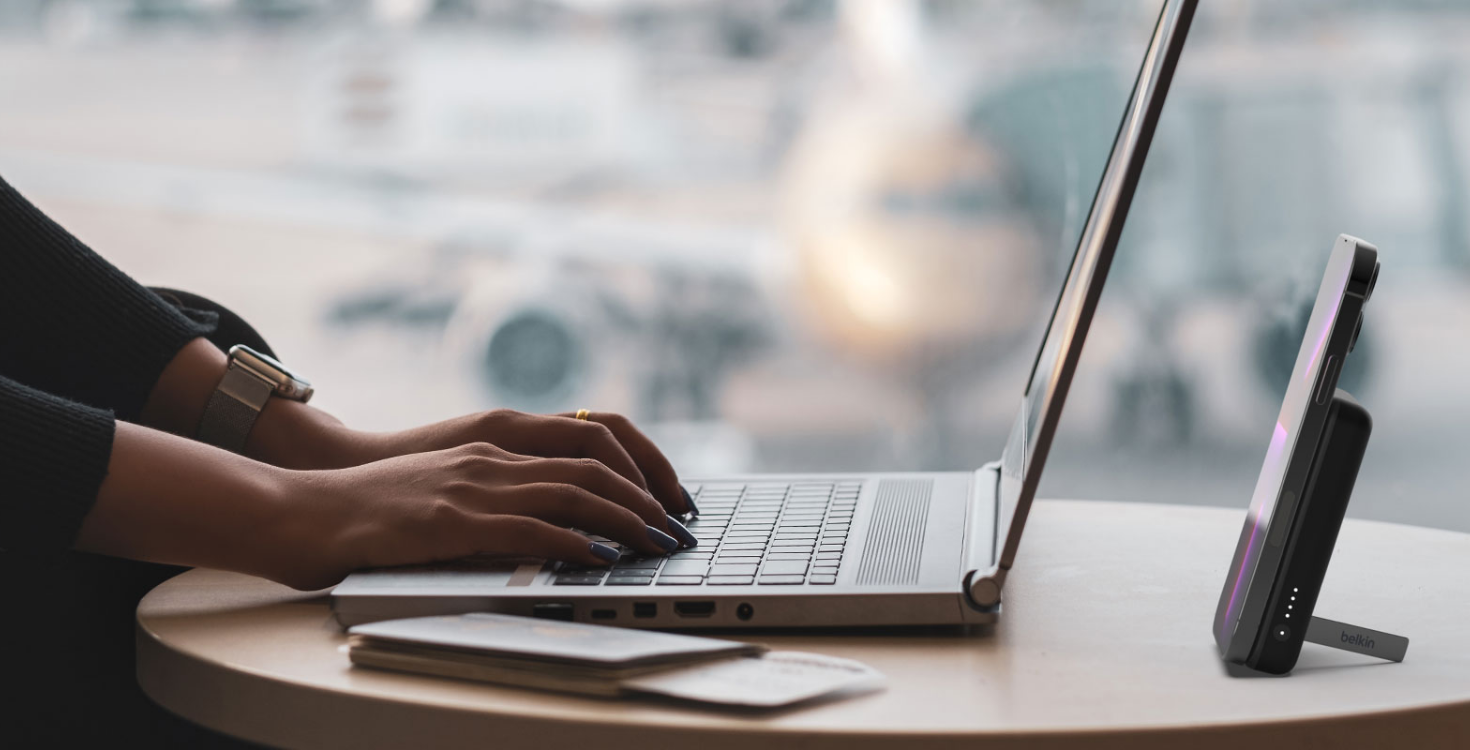
마그네틱 파워 뱅크의 장점은 무엇입니까?
- 마그네틱 휴대용 충전기는 장치를 충전하는 방식을 완전히 바꾸어 놓았습니다. 몇 가지 주요 장점은 다음과 같습니다.
- 손쉬운 연결 및 부착: 마그네틱 파워 뱅크는 호환 장치의 뒷면에 손쉽게 부착되어 안전하고 안정적인 연결이 가능합니다.
- 무선 충전: 케이블 없이 충전이 가능하므로 번거로운 코드와 어댑터가 필요하지 않습니다.
- 개선된 휴대성: 마그네틱 배터리 팩은 작고 가벼워 이동 중에도 쉽게 휴대할 수 있도록 설계되었습니다.
- 다기능성: 스마트폰, 태블릿, 심지어 일부 노트북을 비롯한 다양한 장치와 호환됩니다.
- 강화된 안전성: 여러 마그네틱 휴대용 충전기에는 과충전 방지 및 단락 보호와 같은 안전 기능이 탑재되어 장치와 파워 뱅크 자체의 안전을 보장합니다.
마그네틱 파워 뱅크의 단점은 무엇입니까?
- 마그네틱 배터리 팩이 수많은 이점을 제공하는 만큼 잠재적인 단점을 인식하는 것도 중요합니다.
- 제한적인 호환성: 모든 장치에 마그네틱 충전 기능이 탑재되어 있는 것은 아니기 때문에 마그네틱 파워 뱅크를 구입하기 전에 장치가 호환되는지 확인하는 것이 중요합니다.
- 충전 속도: 무선 파워 뱅크는 편리하지만 일반적으로 기존 방식인 유선 연결에 비해 충전 속도가 느립니다.
- 높은 가격: 마그네틱 파워 뱅크는 고급 기술과 편의성으로 인해 기존 파워 뱅크에 비해 더 비싼 가격에 책정될 수 있습니다.
마그네틱 파워 뱅크를 선택할 때 고려해야 할 사항은 무엇입니까?
마그네틱 파워 뱅크 선택 시 다음과 같은 요소를 고려해야 합니다.
호환성은 마그네틱 파워 뱅크 선택 시 매우 중요합니다. 선택하려는 파워 뱅크가 장치의 특정 마그네틱 충전 기능과 원활하게 작동하도록 설계되었는지 확인해야 합니다. 이를 통해 안정적이고 효율적인 충전 환경을 보장할 수 있습니다.
용량은 고려해야 할 또 다른 중요 요소입니다. 장치의 배터리 크기와 맞는 용량의 파워 뱅크를 선택하는 것이 중요합니다. 이동 시에도 충분한 전력을 공급하고 장치를 완전히 충전할 수 있는 충분한 용량의 파워 뱅크를 선택해야 합니다.
출력 전력은 충전 속도에 있어 중요한 역할을 합니다. 보다 빠르게 충전하려면 와트 단위로 측정된 출력 전력이 더 높은 파워 뱅크를 찾아 보세요. 그러면 특히 시간이 중요한 상황에서 장치에 필요한 전력을 빠르게 공급할 수 있습니다.
편의성과 안전성을 강화하는 추가 기능을 고려해 보세요. 여러 장치에 동시에 전력을 공급할 수 있는 충전 포트가 여러 개 있는 모델을 찾아보세요. LED 표시기는 파워 뱅크의 배터리 잔량을 파악할 수 있는 소중한 정보입니다. 과충전 및 단락 보호와 같은 안전 보호 기능은 장치와 파워 뱅크 자체에 대한 보안을 한층 강화합니다.
마지막으로, 브랜드 평판은 선택한 파워 뱅크의 안정성 및 품질을 보장하는 핵심 요소입니다. 평이 좋은 브랜드는 고품질 제품을 생산하고 우수한 고객 지원을 제공한 실적을 보유하고 있습니다. 잘 알려진 브랜드를 선택하면 믿을 수 있고 신뢰할 수 있는 제품에 투자하고 있다는 사실을 알 수 있어 안심할 수 있습니다.
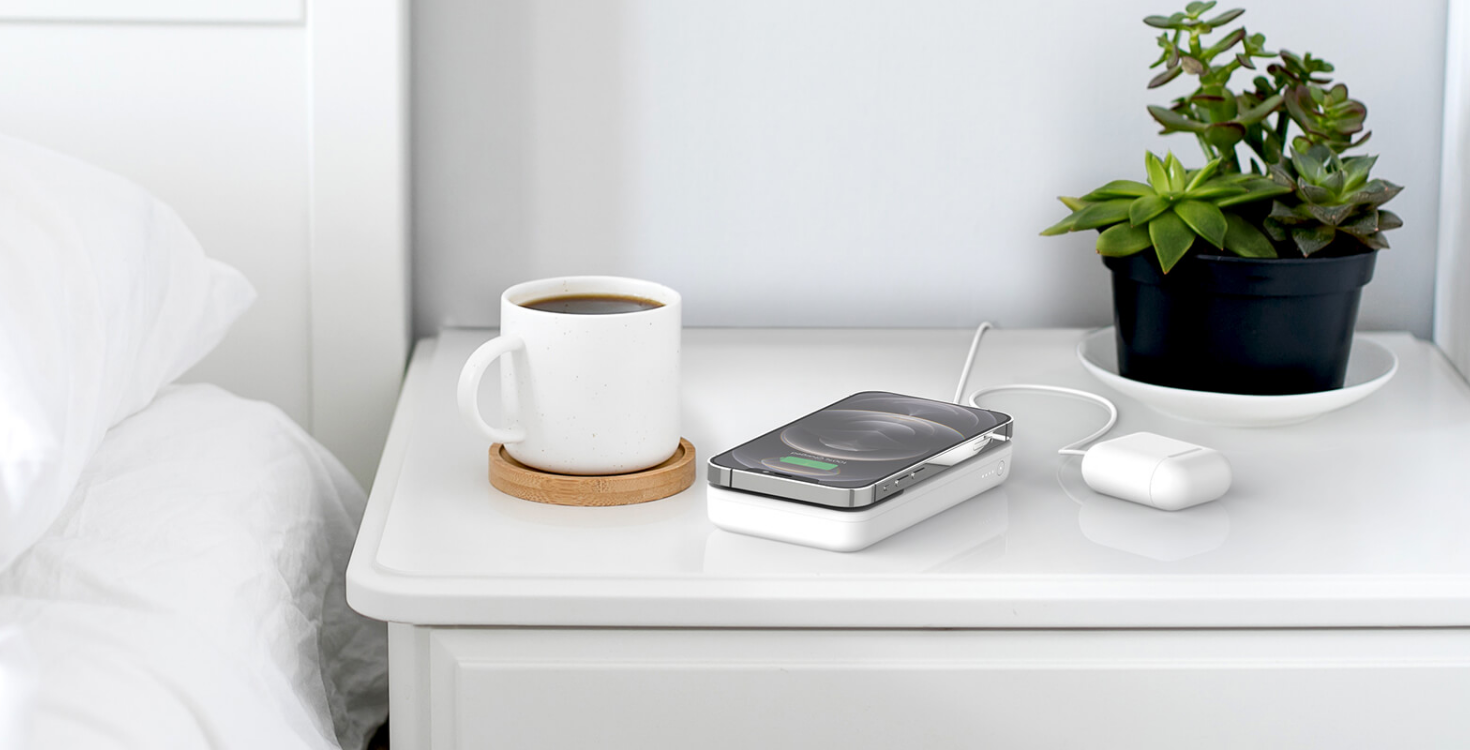
Belkin은 다양한 요구와 선호도에 맞게 맞춤화된 다양한 마그네틱 파워 뱅크 제품을 제공합니다.
- 설명: 이 파워 뱅크는 10,000mAh 용량을 자랑하며, 장치를 여러 번 충전할 수 있습니다. 마그네틱 부착 방식으로 안전하게 연결되어 효율적인 충전이 가능합니다.
- 구매 이유: 여행 중이거나 업무로 바쁜 전문가에게 적합한 이 파워 뱅크는 작고 휴대하기 편리한 디자인으로 고용량 충전 기능을 제공합니다.
- 설명: 5,000mAh 용량을 갖춘 이 파워 뱅크에는 기본 제공 스탠드가 함께 제공되어 충전하는 동안에도 장치를 사용할 수 있습니다. 멀티태스킹을 위한 다기능성 옵션입니다.
- 구매 이유: 충전하는 동안에도 장치를 사용해야 하는 사람들에게 적합한 이 파워 뱅크는 추가적인 편의성을 위해 고유 스탠드 기능을 제공합니다.
- 설명: 2,500mAh 용량의 이 파워 뱅크는 가볍고 슬림한 프로필을 제공하여 휴대가 편리합니다. 이동 중에 효과적으로 빠르게 충전할 수 있습니다.
- 구매 이유: 이 파워 뱅크는 비상 시에 충전할 수 있도록 주머니만큼 작은 크기의 가벼운 옵션을 찾는 사람들에게 편리한 솔루션입니다.
자주 묻는 질문:
마그네틱 충전기의 단점은 무엇입니까?
- 앞서 언급했듯이 제한적인 호환성과 높은 가격이 마그네틱 충전기의 일반적인 단점입니다.
마그네틱 충전기가 배터리에 안 좋은 영향을 끼칩니까?
- 마그네틱 충전 방식은 기술이 호환되는 한 일반적으로 장치 배터리에 안전합니다. 이는 제어되고 효율적인 충전 프로세스를 제공하도록 설계되었습니다.
마그네틱 충전 방식으로 휴대전화가 과충전될 수 있습니까?
- 마그네틱 충전기는 기존 방식의 충전기와 마찬가지로 과충전을 방지하는 안전 기능을 갖추고 있습니다. 하지만 장치가 완전히 충전되면 항상 장치의 플러그를 뽑는 것이 좋습니다.
마그네틱 충전기에서 열이 발생합니까?
- 마그네틱 충전기는 충전 과정에서 약간의 열을 발생시킬 수 있지만 이는 일반적으로 안전 한도 내에 있으며 장치에 나쁜 영향을 미치지 않습니다.
마그네틱 충전 방식의 요점은 무엇입니까?
- 마그네틱 충전은 케이블 없이도 편리하게 장치를 충전할 수 있게 해 줍니다. 충전 과정을 간소화하여 더욱 효율적이면서 사용자 친화적으로 충전할 수 있도록 합니다.
마그네틱 충전이 더 좋습니까?
마그네틱 충전은 특히 편의성과 사용 용이성 측면에 있어 고유한 이점을 제공합니다. 그러나 "더 좋은지"에 대한 여부는 개인의 취향과 필요에 따라 다를 수 있습니다.
결론적으로 마그네틱 휴대용 충전기는 장치를 충전하는 방식 측면에서 편의성과 효율성을 새로운 수준으로 끌어 올렸다고 할 수 있습니다. 각각의 장점과 단점이 있지만 이러한 요소를 이해하면 필요에 맞는 마그네틱 파워 뱅크 선택 시 현명한 결정을 내리는 데 도움이 됩니다. Belkin 마그네틱 파워 뱅크와 같은 평이 좋은 옵션을 사용하면 안심하고 무선 충전의 이점을 누릴 수 있습니다.
FAQs
The main trade-offs are weight, wireless charging speed, and compatibility. Snapping a power bank to the back of your phone adds a bit of bulk, so slim 5,000 mAh models are better for daily carry while 10,000 mAh packs are better for travel. Wireless charging through the magnet is also slightly slower than a wired connection, so most Qi2 magnetic power banks include a USB-C port for faster top-ups. And for the magnet to hold, your phone needs to be MagSafe or Qi2 compatible, or in a case that supports it.
No. Qi2 and MagSafe magnetic power banks follow the same wireless charging safety standards as any certified charger, including foreign object detection, thermal management, and regulated power delivery. Used with a compatible phone, a magnetic power bank is no harder on your battery than charging with a cable.
No. Modern phones and Qi2/MagSafe power banks stop drawing power once the battery reaches 100%. Apple's Optimized Battery Charging and Android's adaptive charging also hold the battery near 80% in many scenarios and top it off only when needed, so you can safely leave the power bank attached.
A small amount of warmth is normal during wireless charging. Because Qi2 and MagSafe use magnets to lock the charging coils into perfect alignment, magnetic power banks waste less energy as heat than older Qi pads, where a slightly off-center phone could cause the pack to run warm. If a power bank ever feels hot to the touch, remove any case, confirm your phone is Qi2 or MagSafe compatible, and make sure nothing is trapped between the phone and the pack.
Magnetic power banks solve the biggest problem with carrying a backup battery: needing a cable. A Qi2 or MagSafe pack snaps to the back of your phone and starts charging instantly, so you can keep using your phone, slip it in your pocket, or prop it up with a built-in kickstand while it charges. No cable to remember, no port to wear out, and nothing dangling off the phone.
For Qi2 and MagSafe users, usually yes. A magnetic power bank is faster to use (snap and go, no cable), more portable (it travels attached to the phone), and supports accessories like kickstands and travel 3-in-1 charging setups. A traditional power bank still makes sense if you charge multiple devices at once, need the highest-speed wired output, or use a phone that doesn't support magnetic charging.
Yes. The TSA allows lithium-ion power banks under 100Wh in carry-on bags, and most magnetic power banks fall well below that limit. A 5,000 mAh pack is typically around 18.5Wh and a 10,000 mAh pack is around 37Wh, so both are flight-safe. Power banks must travel in your carry-on, not in checked luggage, and it's a good idea to keep them in an outer pocket in case a gate agent asks to see them.
It depends on how long you're away from an outlet. A 5,000 mAh magnetic power bank delivers about one full phone charge and stays slim enough for a pocket, which is ideal for day trips and commutes. A 10,000 mAh pack gives you two to three full charges and is the sweet spot for travel, long workdays, or sharing with a second device. Larger capacities exist, but past 10,000 mAh they get heavier, and the added bulk works against the point of a magnetic power bank that rides on the back of your phone.
Yes, as long as the case is MagSafe or Qi2 compatible. Cases designed for magnetic charging have built-in magnets that align with the power bank and keep charging speeds consistent. Standard non-magnetic cases, especially thicker rugged cases, can weaken the magnetic hold and may let the pack slide off. If your case blocks the magnets, swapping to a MagSafe or Qi2 case is the easiest fix.
In conclusion, magnetic portable chargers have introduced a new level of convenience and efficiency in charging our devices. While they come with their own set of advantages and disadvantages, understanding these factors will help you make an informed decision when choosing a magnetic power bank that suits your needs. With reputable options like the Belkin magnetic power banks, you can enjoy the benefits of wireless charging with confidence.
_MPP242_MagneticWirelessPowerBank5K+Stand_FPK_WH_Shot1_Web.jpg?sw=500&sh=500&sm=fit&sfrm=png)

We hope you enjoyed this post. Signup for blog alerts, product announcements, and exclusive deals via emails and texts now.