
磁吸移动电源:您需要了解的一切。
2023年11月9日
在本文中,我们将仔细了解磁吸移动电源的方方面面,探讨其优点和缺点。便携式磁吸充电器因其方便且高效的无线充电方式而广受欢迎。我们将讨论其好处、需要注意的潜在缺点以及购买时应考虑的事项。
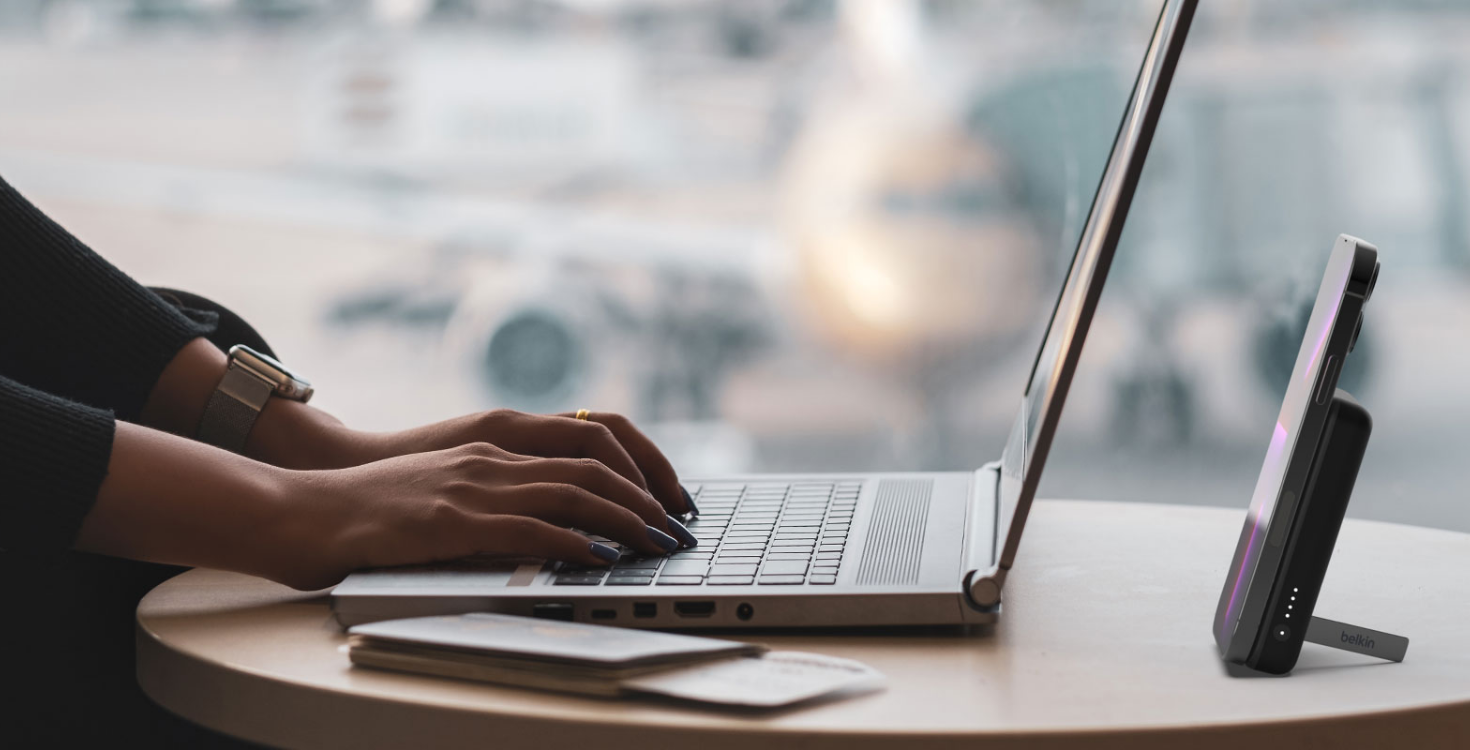
磁性移动电源有什么好处?
- 便携式磁吸充电器彻底改变了我们为设备充电的方式。以下是一些主要优势:
- 轻松连接和对齐:磁性移动电源可轻松卡入兼容设备的背面,提供安全稳定的连接。
- 无线充电:可以提供无线充电体验,无需繁琐的电线和适配器。
- 更高的便携性:磁性电池组设计紧凑、重量轻,方便携带,便于随时随地充电。
- 多功能性:与多种设备兼容,包括智能手机、平板电脑,甚至一些笔记本电脑。
- 增强的安全功能:许多便携式磁吸充电器都配备了过充保护、防短路等安全功能,确保您的设备和移动电源本身的安全。
磁性移动电源有哪些缺点?
- 虽然磁性电池组具有许多优点,但了解其潜在缺点也很重要:
- 兼容性有限:并非所有设备都配备磁性充电功能,因此在购买磁性移动电源之前确认您的设备兼容与其兼容非常重要。
- 充电速度:虽然无线充电宝很方便,但与传统的有线连接相比,充电速度通常较慢。
- 费用较高:由于技术先进且非常便捷,磁性移动电源与传统移动电源相比价格可能更高。
选择磁性移动电源要考虑什么?
选择磁性移动电源时,请考虑以下因素:
在选择磁吸移动电源时,兼容性至关重要。确保移动电源的设计能够与设备的特定磁吸充电功能完美配合。这可以确保拥有可靠、高效的充电体验。
容量是另一个需要考虑的重要因素。选择容量与设备电池规格相对应的移动电源非常重要。选择容量充足的移动电源来为您的设备充满电,为您在旅途中提供充足的电力。
输出功率对充电速度起着重要作用。寻找具有更高输出功率(以瓦特为单位)的移动电源,以实现更快的充电速度。这可以确保您的设备快速获得所需的电量,尤其是在时间至关重要的情况下。
考虑可优化便利性和安全性的附加功能。寻找具有多个充电端口的型号,以便同时为多个设备供电。LED 指示灯可提供有关移动电源电池电量的重要信息。过充和短路保护等安全保护功能可为您的设备和移动电源本身增加一层额外的安全保护。
最后,品牌声誉也是左右着所选移动电源的可靠性和质量的关键因素。知名品牌在生产高品质产品和提供卓越客户支持方面往往有着不俗的表现。选择知名品牌可以让您高枕无忧,因为您知道自己购买的是可靠且值得信赖的产品。
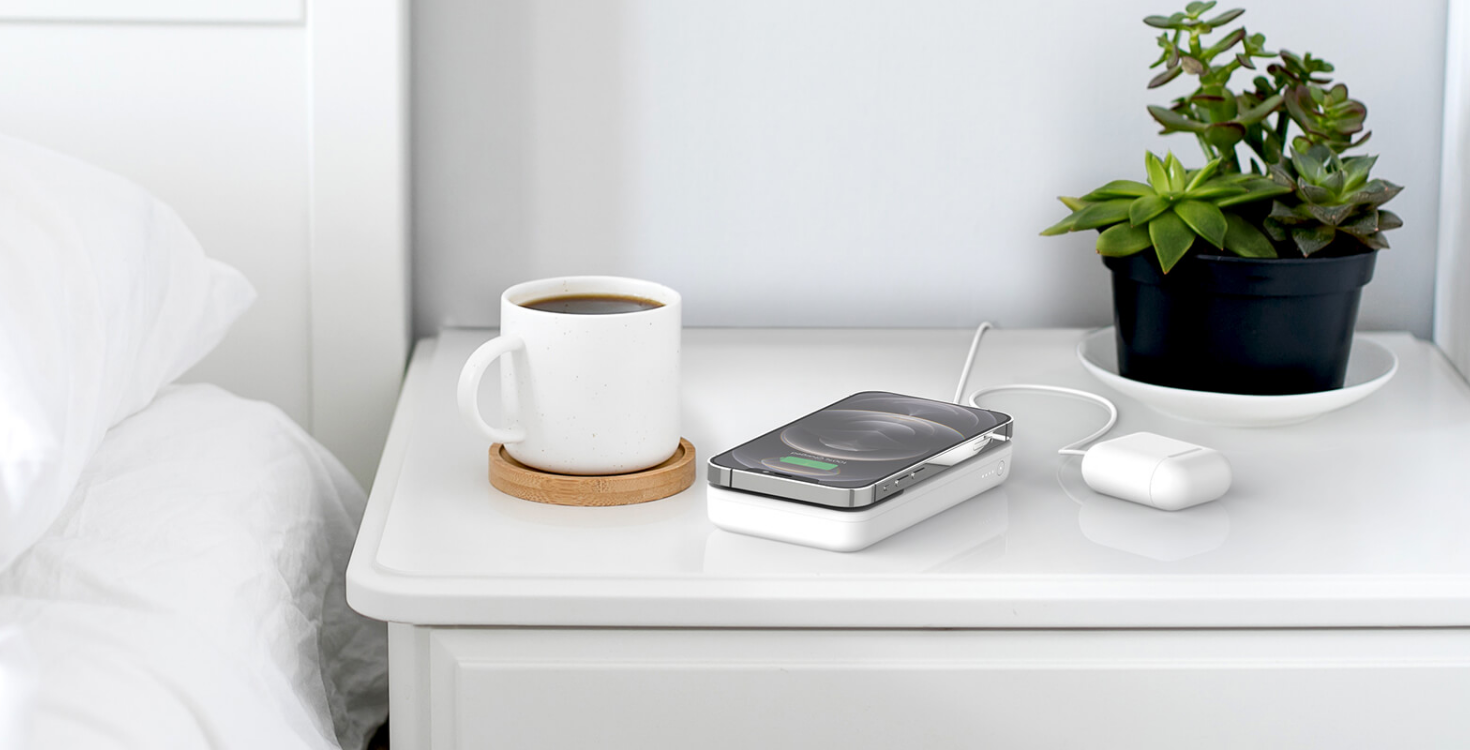
贝尔金提供一系列专为满足各种需求和偏好而定制的磁性移动电源。
- 描述:这款移动电源拥有 10,000mAh 容量,可为您的设备多次充电。其磁性附件可确保安全连接以实现高效充电。
- 购买理由:这款移动电源设计紧凑、便于携带,提供大容量充电,是旅行者和忙碌专业人士的理想选择。
- 描述:这款移动电源容量为 5,000mAh,配有内置支架,让您可以在充电时使用设备。可以提供多任务处理的多功能选项。
- 购买理由:这款移动电源提供独特的支架功能,更加方便,非常适合需要在充电时使用设备的用户。
- 描述:这款移动电源容量为 2,500mAh,外形轻巧纤薄,便于携带。非常适合在旅途中快速充电。
- 购买理由:对于追求轻便袖珍式紧急充电选项的人士来说,这款移动电源是便捷的解决方案。
常见问题解答:
磁性充电器有哪些缺点?
- 如前所述,兼容性有限和费用较高是磁性充电器的常见缺点。
磁性充电器对电池有害吗?
- 对于设备电池来说,只要与该技术兼容,磁吸充电通常是安全的。旨在提供受控且高效的充电过程。
磁性充电会给手机过度充电吗?
- 与传统充电器一样,磁吸充电器也配备了防止过度充电的安全功能。但是,仍建议您在设备充满电后立即拔掉电源。
磁性充电器会发热吗?
- 磁性充电器在充电过程中可能会产生少量热量,但这通常在安全范围内,不会对您的设备造成任何伤害。
磁性充电有什么意义?
- 磁吸充电是一种方便、无需使用线缆的设备充电方式。简化了充电流程,更加高效、人性化。
磁性充电更好吗?
磁吸充电具有独特的优势,特别是在便利性和易用性方面。不过是否“更好”取决于个人喜好和需求。
总之,便携式磁吸充电器将设备充电的便利性和效率提升到了新的水平。虽然不同的产品各有长短,但了解这些因素有助于您在选择适合自身需求的磁吸移动电源时做出明智的决定。借助像贝尔金磁吸移动电源这样有着良好口碑的产品,您可以放心享受无线充电的优势。
FAQs
The main trade-offs are weight, wireless charging speed, and compatibility. Snapping a power bank to the back of your phone adds a bit of bulk, so slim 5,000 mAh models are better for daily carry while 10,000 mAh packs are better for travel. Wireless charging through the magnet is also slightly slower than a wired connection, so most Qi2 magnetic power banks include a USB-C port for faster top-ups. And for the magnet to hold, your phone needs to be MagSafe or Qi2 compatible, or in a case that supports it.
No. Qi2 and MagSafe magnetic power banks follow the same wireless charging safety standards as any certified charger, including foreign object detection, thermal management, and regulated power delivery. Used with a compatible phone, a magnetic power bank is no harder on your battery than charging with a cable.
No. Modern phones and Qi2/MagSafe power banks stop drawing power once the battery reaches 100%. Apple's Optimized Battery Charging and Android's adaptive charging also hold the battery near 80% in many scenarios and top it off only when needed, so you can safely leave the power bank attached.
A small amount of warmth is normal during wireless charging. Because Qi2 and MagSafe use magnets to lock the charging coils into perfect alignment, magnetic power banks waste less energy as heat than older Qi pads, where a slightly off-center phone could cause the pack to run warm. If a power bank ever feels hot to the touch, remove any case, confirm your phone is Qi2 or MagSafe compatible, and make sure nothing is trapped between the phone and the pack.
Magnetic power banks solve the biggest problem with carrying a backup battery: needing a cable. A Qi2 or MagSafe pack snaps to the back of your phone and starts charging instantly, so you can keep using your phone, slip it in your pocket, or prop it up with a built-in kickstand while it charges. No cable to remember, no port to wear out, and nothing dangling off the phone.
For Qi2 and MagSafe users, usually yes. A magnetic power bank is faster to use (snap and go, no cable), more portable (it travels attached to the phone), and supports accessories like kickstands and travel 3-in-1 charging setups. A traditional power bank still makes sense if you charge multiple devices at once, need the highest-speed wired output, or use a phone that doesn't support magnetic charging.
Yes. The TSA allows lithium-ion power banks under 100Wh in carry-on bags, and most magnetic power banks fall well below that limit. A 5,000 mAh pack is typically around 18.5Wh and a 10,000 mAh pack is around 37Wh, so both are flight-safe. Power banks must travel in your carry-on, not in checked luggage, and it's a good idea to keep them in an outer pocket in case a gate agent asks to see them.
It depends on how long you're away from an outlet. A 5,000 mAh magnetic power bank delivers about one full phone charge and stays slim enough for a pocket, which is ideal for day trips and commutes. A 10,000 mAh pack gives you two to three full charges and is the sweet spot for travel, long workdays, or sharing with a second device. Larger capacities exist, but past 10,000 mAh they get heavier, and the added bulk works against the point of a magnetic power bank that rides on the back of your phone.
Yes, as long as the case is MagSafe or Qi2 compatible. Cases designed for magnetic charging have built-in magnets that align with the power bank and keep charging speeds consistent. Standard non-magnetic cases, especially thicker rugged cases, can weaken the magnetic hold and may let the pack slide off. If your case blocks the magnets, swapping to a MagSafe or Qi2 case is the easiest fix.
In conclusion, magnetic portable chargers have introduced a new level of convenience and efficiency in charging our devices. While they come with their own set of advantages and disadvantages, understanding these factors will help you make an informed decision when choosing a magnetic power bank that suits your needs. With reputable options like the Belkin magnetic power banks, you can enjoy the benefits of wireless charging with confidence.
_MPP242_MagneticWirelessPowerBank5K+Stand_FPK_WH_Shot1_Web.jpg?sw=500&sh=500&sm=fit&sfrm=png)

We hope you enjoyed this post. Signup for blog alerts, product announcements, and exclusive deals via emails and texts now.