
如何为孩子选择安全的耳塞式和头戴式耳机 – 每位家长必须了解的指导原则。
2023年11月29日
Alpha 一代(2010 年以后出生)是在全数字世界中成长的第一代人。他们自出生以来就完全沉浸在科技之中,智能手机、平板电脑和其他电子设备是日常生活中的主要设备。
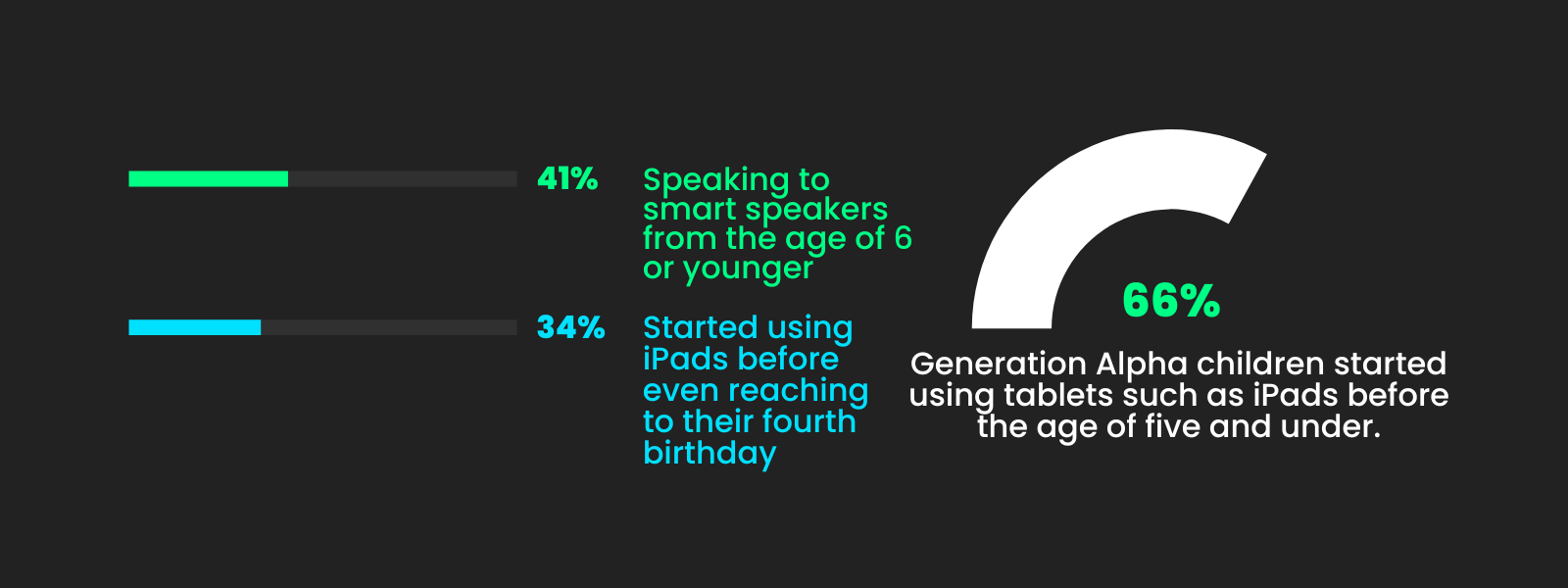
研究显示,三分之二 (66%) 的 Alpha 一代儿童在五岁及以下之前开始使用 iPad 等平板电脑。五分之二 (41%) 的人表示,从 6 岁或更小的时候就开始使用智能音箱。令人难以置信的是,三分之一 (34%) 的人称,自己在四周岁之前就开始使用 iPad。
Alpha 一代使用技术就像与家庭成员互动一样不可或缺,因此正确选择外围配件对于确保年轻用户未来几年的安全至关重要。
为什么您需要专为儿童设计的耳机&耳塞?
对于儿童产品,安全、质量和易用性是考虑的重要因素。
音量。
Alpha 一代生来便接触数字技术,但这并不意味着他们能获得本质安全的技术,永久性噪音性听力受损 (NIHL) 是一个重要的考虑因素。英国听力保护协会的数据显示,人类出生时大约有 15,000 个听觉毛细胞。这些生来具备的细胞数量就是可以拥有的全部数量。一旦受损,就不会再向大脑传输声音,这意味着这种损害是永久性的、终身的。
噪音性听力受损是由于暴露在持续的、大音量声音环境,这会损害毛细胞,并且会慢慢显现出来,这会随着时间的推移不断累积并突然发生变化。耳塞/耳机播放超出安全限制的音频可能会导致这种情况。如果没有适当的限制,孩子们可能不会意识到“太大声”的声音有多大,在不安全的水平下经常使用可能会随着时间的推移造成损害,最终导致 NIHL ,并对孩子的发展产生负面影响。
质量。
精致产品无需申请。儿童和年轻人需要音频产品能够承受一两次跌落。儿童音频产品需要满足生活中的所有冒险,无论是在旅途中随意扔在包里、混杂在众多玩具中,还是用黏糊糊的小手拿着。
有趣的事实:贝尔金儿童音响系列经过测试,将 113.4 克水泼到产品上(然后晾干)后仍可正常工作。此外,产品还经过从 2 米高处跌落到坚硬表面的功能测试。
设计。
在设计方面,音频产品不仅要美观,而且要专为佩戴者的耳朵而设计,这一点至关重要。SoundForm Nano 的入耳式耳塞具有多种耳塞套尺寸 (XXS-L),可实现完美贴合。
在耳罩式耳机方面,贝尔金的内部工程团队专门设计了 SoundForm Mini 和 SoundForm Inspire,以便牢固地佩戴在儿童头部。考虑到精确性和对细节的关注,家长可以放心,这些产品不仅仅是成人耳机的缩小版。
为您的孩子选择音频产品时需要考虑的 5 大功能
*为什么贝尔金儿童耳机受到 100 万儿童和家长的信赖
1.频率响应和音量限制。
对于音频而言,频率响应至关重要。良好的响应本质上意味着您所听到的声音良好,因此增加音量的需求就会减少。当存在良好的频率响应时,音频设备可以准确地表达低音、中音和高音,同时保持均匀分布。因此,音频产品将按照预期拾取并表达声音,无需为听到设备声音而调整音量进行过度补偿。
这就是 Belkin Signature Sound 的闪光点。该技术是在加利福尼亚州洛杉矶贝尔金总部的内部音频实验室内开发,已集成到 SoundForm 系列中。Belkin Signature Sound 通过平衡深沉的低音、水晶般清晰的人声和清脆的高音来揭示最微妙的细节。该产品经过精密设计,可再现丰富、身临其境的家庭影院声音,并具有出色的频率响应,从而减少调高音量的需要。
此外,所有 SoundForm 儿童音频产品均配有内置 85 分贝音量限制器。这是世界卫生组织 (WHO) 建议的持续收听的最大安全音量。大多数成人耳机的音量级别要高得多,因此使用没有此安全功能的音频产品可能会对幼儿的耳朵造成危害。
2.佩戴舒适,电池续航时间长。
就入耳式音频而言,使用高品质材料加上真实的儿童测试,意味着入耳式 SoundForm Nano 或包耳式 SoundForm Mini 和 SoundForm Inspire 佩戴舒适。通过正确的形状,音频设备和耳道之间也会形成良好的密封,这有助于阻挡环境噪音,从而获得更好的聆听效果。电池续航时间长,让孩子们可以更长时间地保持联系并长时间外出。
3.完美贴合 + 电池续航时间长 = 舒适度高、声音不间断:
- SoundForm Nano – 随附耳塞套的尺寸从 XXS 到 L,可确保您的孩子找到最佳搭配。该产品经过世界各地 7 至 14 岁儿童的测试,以确保最佳贴合度和舒适度。可播放 5 小时,在充电盒内还可使用 19 小时。
- SoundForm Mini – 具有“贴耳式”设计的产品,非常适合头部较小的 3 岁及以上儿童。28-30 小时电池续航时间,不间断聆听。
- SoundForm Inspire – 一款耳罩式耳机,在全球范围内的 5 至 14 岁的儿童群体中进行了测试,确保舒适的覆耳感受。USB-C 快速充电充满电后可提供长达 35 小时的播放时间。
4.使用值得信赖的品牌很重要。
自 1983 年以来,贝尔金一直致力于打造高品质产品,让人们无论在家中、工作中还是在新的环境中,都能借助技术来进行顺畅的沟通。Belkin SoundForm 系列提供配备了多种功能的音频解决方案,帮助所有年龄段的用户随时进行安全、无缝的沟通,并且让每一次沟通都能高效完成。在更负责任的产品制造过程中,贝尔金向公众承诺从 2023 年初开始将现有产品和新产品的包装过渡到消费后再生塑料 (PCR) 和无塑料包装。
5.如何为您的孩子选择优秀的耳机或耳塞?
技术不仅可以用于娱乐,还能帮助进行学习和沟通。儿童耳机和耳塞的一些常见用途包括:
学习
教育在顺应时代不断发展,从而满足学生和更广阔世界的需求。在当今的课堂上随处可见技术的运用,教师们利用技术使教学方式更具创造性、创新性、吸引力和乐趣。目前来看,在 2023 年,有 84% 的美国学生在课堂上使用技术。60% 的美国学生拥有学校提供的设备,另外 14% 的学生从家自带设备。
体验下列产品:
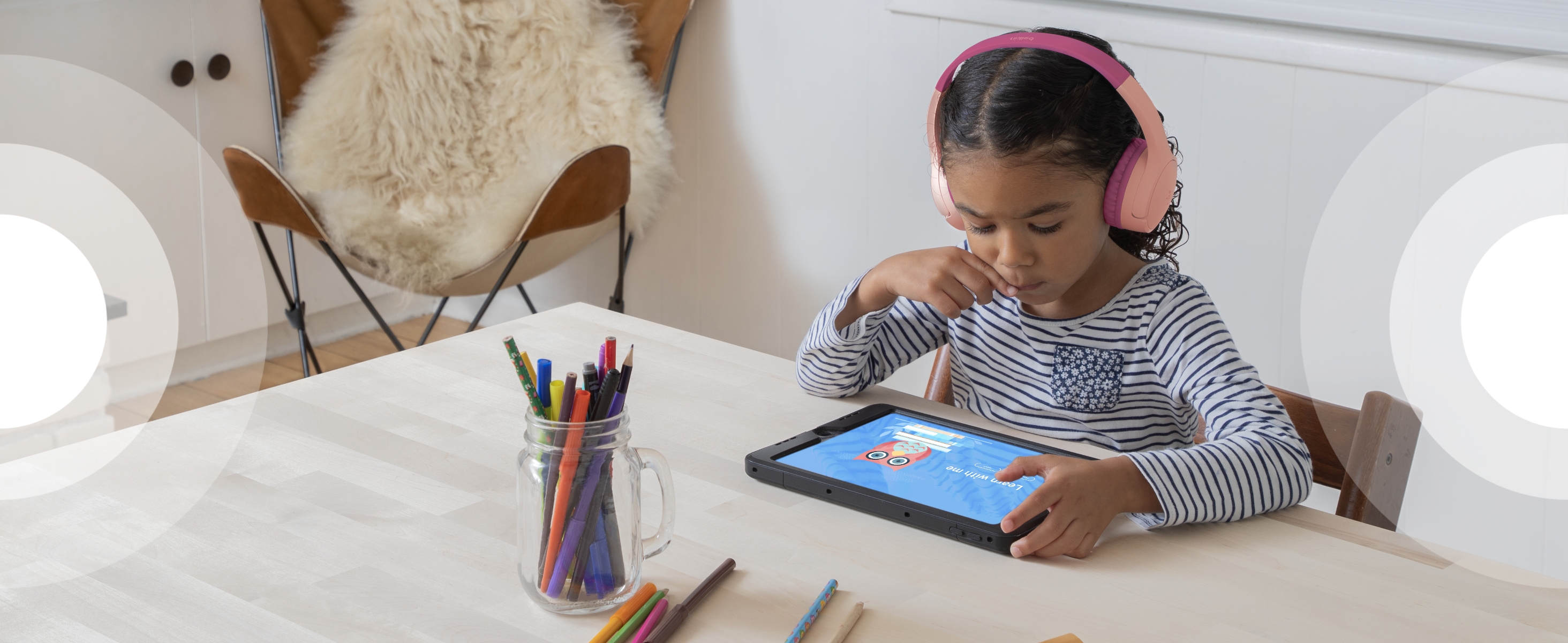
- SoundForm Inspire – 独自聆听或与同学一起聆听。RockStar 模式允许孩子将一组有线耳机连接到 3.5 毫米输出并与他人一起聆听。
- SoundForm Mini – 专为孩子设计,是完美的学习伙伴。Mini 与 Zoom、Schoology 等程序的兼容性经过了测试,在帮助孩子认真学习方面表现出色。
与朋友和家人联系
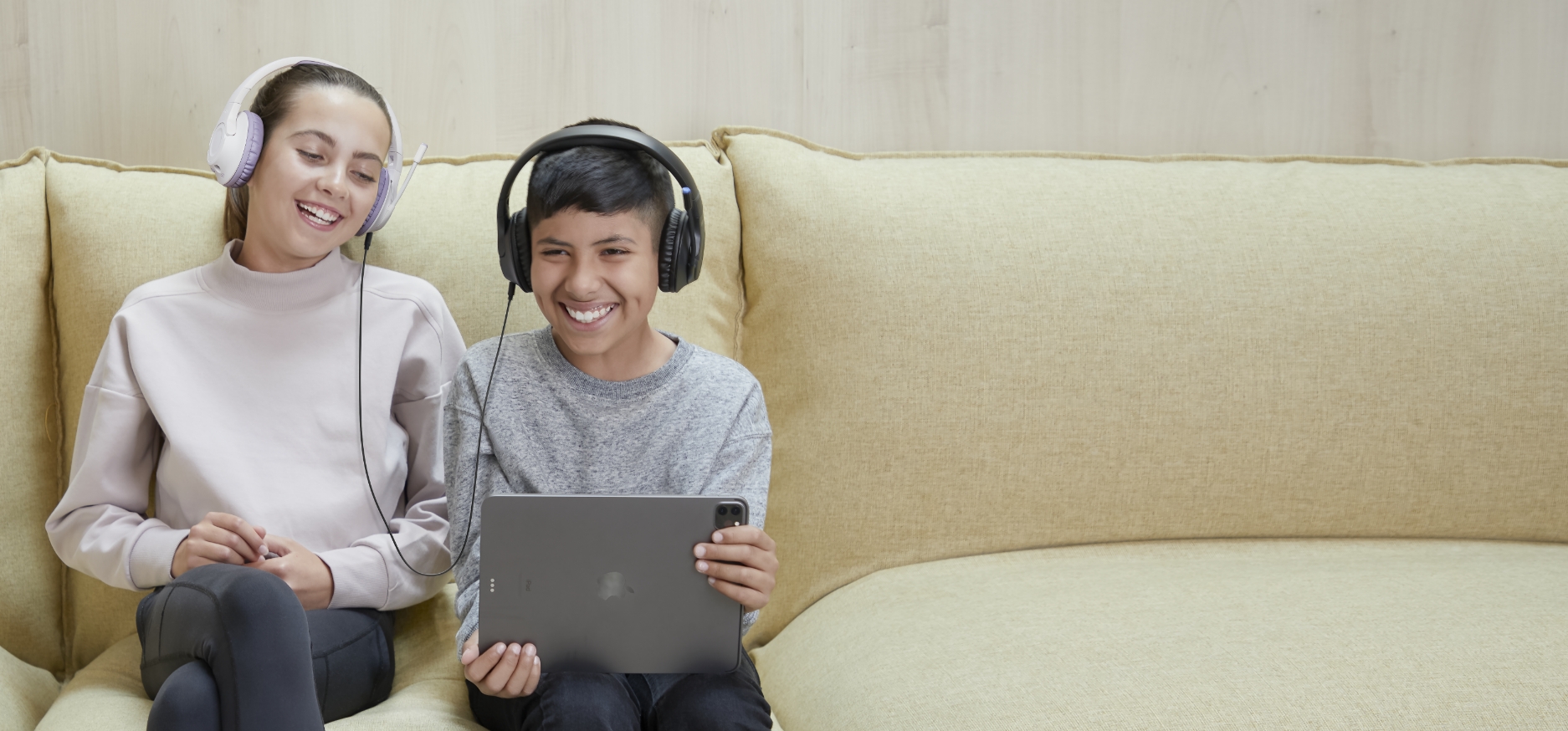
只能通过电话、电子邮件或普通信件进行个人联系的日子已经一去不复返了。视频通话已成为常态,79% 的千禧一代父母表示,他们的孩子是某个平台的社交媒体用户。社交媒体和游戏是新的社交方式,所创造出的与同龄人互动的方式是前几代人未曾使用过的。在美国,拥有智能手机的 8 岁至 11 岁儿童数量已从 2015 年的约 10% 增加到 2021 年的 31%。
体验下列产品:
- SoundForm Inspire – 当珍视的人说话时,每一个字都很重要。将这一点谨记在心,贝尔金的设计和工程团队将 Inspire 的吊杆式麦克风与清晰通话技术集成在一起,以确保不会错过任何一个字。当需要谨慎沟通时,可以将吊杆麦克风向上翻转以静音,也可以按下静音按钮,LED 指示灯也会发出已开启静音的信号。
外出无忧
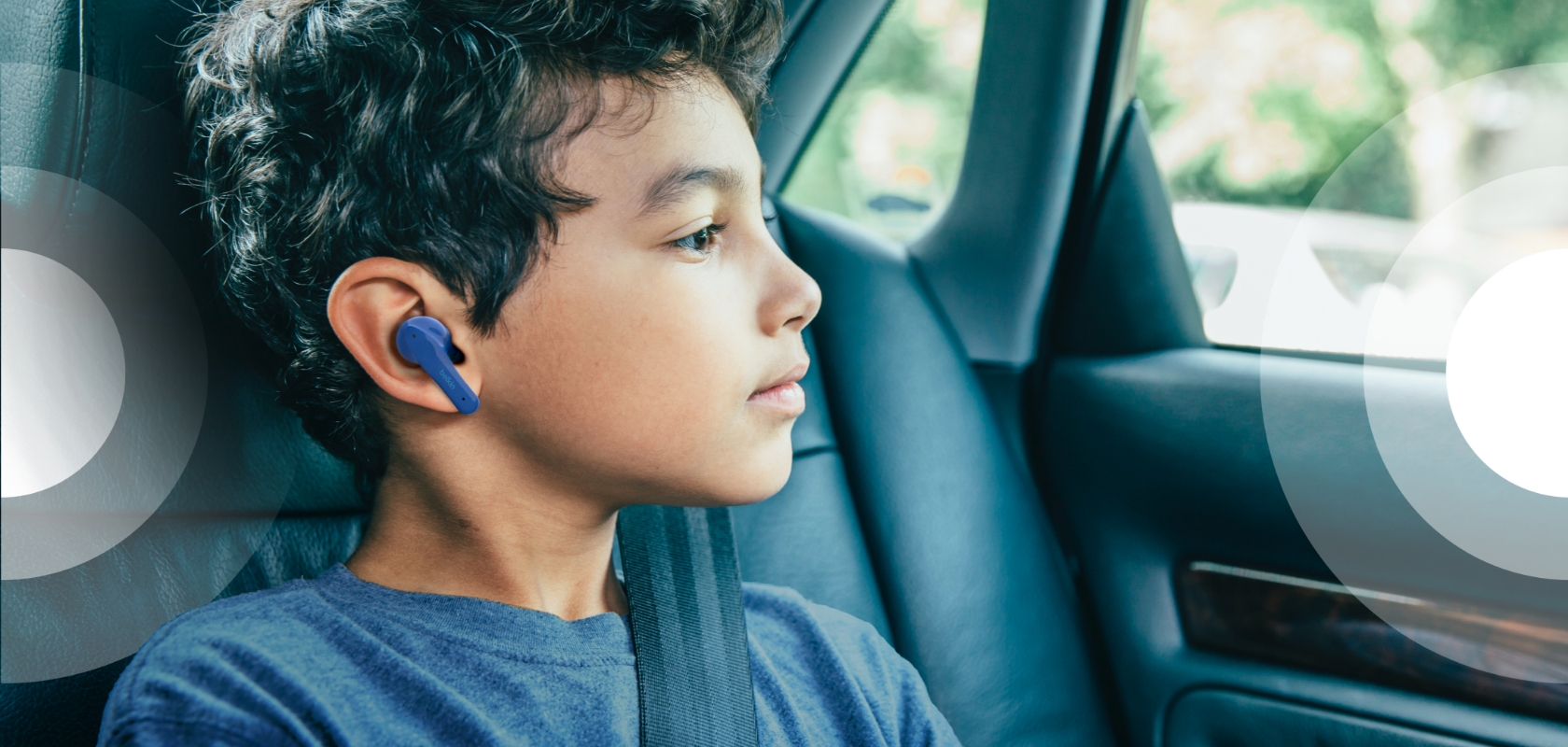
平板电脑、手机和专用游戏设备等强大的便携式技术让您可以在旅途中访问内容,这比以往任何时候都更加容易。这一代“屏幕少年”是指在 2010 年出生的群体,同年第一部 iPad 发布。2022 年,一项研究发现,8 至 12 岁的儿童现在每天在屏幕媒体上花费的时间为 5 个半小时,而在 2019 年,这一数字为平均每天 4 小时 44 分钟。基于屏幕的产品比以往任何时候都更加便携,不仅可以用于家庭娱乐,还可以用于户外娱乐。
体验下列产品:
- SoundForm Inspire – Rockstar 模式可帮助分享喜爱的电影、节目或歌曲,与他人共同感受其中的乐趣。通过菊花链式连接与兄弟姐妹或朋友一起聆听和观看同一个屏幕,一起享受家人喜爱的内容。
- SoundForm Nano – 体积小、电池续航时间长、随时可以漫游。Nano 是一款出色的入耳式音频伴侣,可始终陪伴在孩子身边。
常见问题解答
哪种耳机适合孩子?
在为您的孩子选择合适的耳机时,耐用性、频率响应/音量和耐用性是重要的考虑因素。该产品专为孩子们设计,可以有效抵抗日常磨损,提供优质的音频效果,无需调高音量即可清晰地听到声音,并具有安全的音量限制功能。
孩子几岁适合使用耳机?
3 岁以上可使用的儿童耳机。与所有专为儿童设计的科技产品一样,家长应始终密切关注并确保孩子有鉴别能力地使用产品。
孩子上学需要什么类型的耳机?
随着在课堂上越来越多地使用集成技术,头戴式耳机具有菊花链式连接等优点(允许两个人在共享屏幕时同时聆听。即,Inspire 的 Rockstar 模式),可将单独的学习转变为协作体验。对在 Zoom 和 Schoology 等教育环境中经常使用的程序进行兼容性测试,确保音频产品适合日常的教学用途。在课堂中的舒适度也很重要 - 耳机应该在长时间佩戴的情况下保持舒适。
头戴式儿童耳机的安全音量是多少?
为了减少 NIHL,头戴式儿童耳机的音量需要保持在合适的水平。头戴式儿童耳机的建议音量限制为 85 分贝。然而,除音量限制外,声音技术还涉及其他因素。建议在初始阶段使用并保持较低的音量水平。对于音频来说,频率响应至关重要 – 良好的响应意味着即使在低音量下,听到的声音也会很清晰,因此减少了调高音量的需要。
耳塞式耳机对孩子的耳朵有害吗?
只要使用方式正确,专为孩子设计的耳塞式耳机可以在旅途中充分发挥无线音频产品的所有优势。此外,这些产品可能类似于同一产品的成人版本,只是都增加了安全功能。这有助于所有年龄段的孩子保持安全,同时与同龄人和年龄较大的家庭成员保持同步。
耳塞式和头戴式耳机,哪种更适合孩子?
应根据佩戴者的年龄和偏好/需求做出决定。耳机往往更适合年龄较小的孩子(3-9 岁),而年龄稍大的孩子可以选择耳塞和耳机。
Kids' Headphones & Earbuds: Frequently Asked Questions
The best headphones for kids combine a safe volume limit with durable construction and a kid-sized fit. A built-in 85dB volume limit is the most important feature, since it protects young ears even when a child turns the volume all the way up. From there, look for headphones that are sized for a smaller head, hold up to drops and daily wear, and deliver clear sound at low volumes so kids aren't tempted to crank the volume to hear clearly. Belkin's SoundForm Mini On-Ear Headphones for Kids are designed around all three of these priorities.
Kids can start using headphones designed for young ears around age 3, as long as the headphones have a built-in volume limit of 85dB or lower. Younger children benefit most from over-ear headphones that are sized for smaller heads, since the pads distribute pressure gently and it's easy for a parent to confirm the fit. Audiologists also recommend the 60/60 rule as kids get older: no more than 60 minutes of listening at a time, at no more than 60% volume.
Classroom headphones should be comfortable enough to wear for long stretches, durable enough to survive a backpack, and compatible with the apps teachers use, from Zoom and Google Meet to Schoology, Seesaw, and Clever. A built-in microphone helps during live lessons and read-aloud activities. Audio sharing is also a nice-to-have, since it lets two students listen to the same device during group projects or read-alouds. Belkin's SoundForm Inspire Wireless Over-Ear Headset for Kids includes a Rockstar Mode port for exactly this, a 3.5mm output that lets a second pair of headphones plug in and share the audio.
The recommended safe volume limit for kids is 85 decibels (dB), the threshold set by the CDC and WHO to help prevent noise-induced hearing loss (NIHL). Good kids' headphones cap volume at that level in hardware so it can't be overridden. Volume limiting is only half the story, though. Headphones with a well-tuned frequency response make music and video sound clear and full even at lower volumes, which reduces the temptation to turn the volume up in the first place. Belkin's SoundForm Mini headphones combine a hardware 85dB cap with a frequency response tuned for young ears.
Earbuds are not inherently bad for kids, but they sit closer to the eardrum than over-ear headphones, so volume limiting matters even more. Earbuds designed for children include a built-in 85dB cap, softer silicone tips sized for smaller ear canals, and a secure fit that stays put during play. With a volume-limited pair, an age-appropriate fit, and regular listening breaks, earbuds let older kids enjoy the same wireless convenience as adults while keeping their hearing protected.
The right choice depends on age and how the child uses them. Over-ear headphones are the safer pick for younger kids (ages 3 to 9) because they sit outside the ear canal, distribute pressure gently, and make it easy for a parent to see if the fit is correct. Older kids (ages 10 and up) can usually handle earbuds responsibly, and earbuds are a better fit for sports, travel, and anywhere a smaller form factor matters. Whichever style you choose, confirm the product has a built-in 85dB volume limit before handing it over.
Yes. Belkin's SoundForm Mini and SoundForm Inspire headphones are designed to work with the devices kids actually use at home and in class, including iPads, iPhones, Chromebooks, MacBooks, Android tablets, and PCs. Wireless models pair over Bluetooth, and the wired SoundForm Inspire plugs straight into any standard 3.5mm headphone jack or into a USB-C or Lightning adapter for newer tablets. Both models are compatible with the apps schools rely on, from Zoom and Google Meet to Schoology, Seesaw, and Clever.
Kids' headphones pick up a lot of dust, dirt, and the occasional snack crumb, so a quick wipe-down every week keeps them hygienic and extends their life. Start by powering off wireless models and unplugging wired ones. Use a soft, dry microfiber cloth to wipe the headband, ear cups, and cable. For stickier grime, lightly dampen the cloth with water or a 70% isopropyl alcohol solution, making sure no liquid drips into the speaker mesh, microphone, or charging port. Skip household cleaners, bleach, and abrasive wipes, which can damage the finish and the cushions. For earbuds, remove the silicone tips and rinse them with warm water, let them fully air-dry, then reattach them before the next use.

We hope you enjoyed this post. Signup for blog alerts, product announcements, and exclusive deals via emails and texts now.