
Magnetic power banks: all you need to know
November 9, 2023
Updated: April 21, 2026
In this article, we will delve into the world of magnetic power banks, exploring their advantages and drawbacks. Magnetic portable chargers have gained popularity for their convenience and efficiency in charging devices wirelessly. We'll discuss the benefits they offer, potential drawbacks to be aware of, and what to consider when shopping for one.
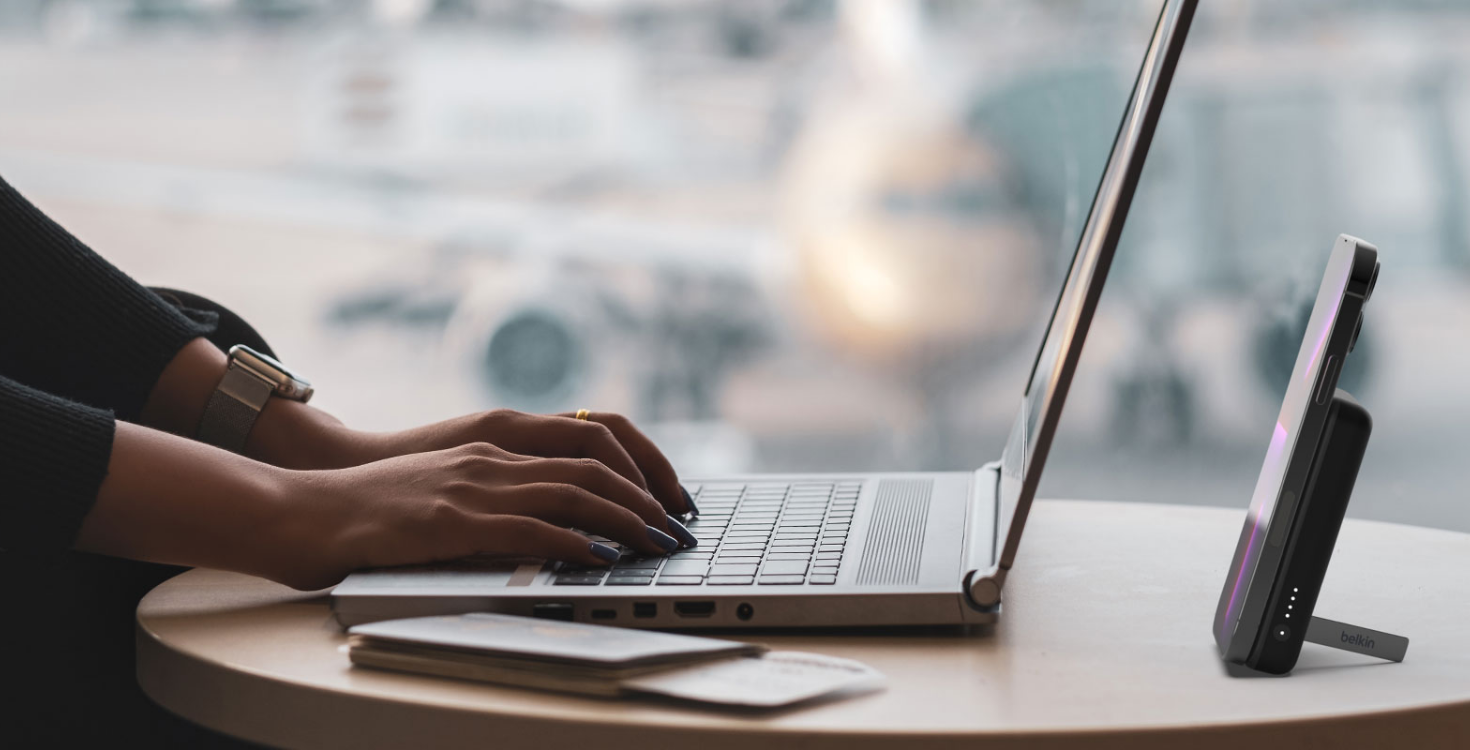
What are the benefits of magnetic power banks?
- Magnetic portable chargers have revolutionized the way we charge our devices. Here are some key advantages:
- Effortless attachment and alignment: Magnetic power banks effortlessly snap onto the back of compatible devices, providing a secure and stable connection.
- Wireless charging: They offer a cable-free charging experience, eliminating the need for cumbersome cords and adapters.
- Improved portability: Magnetic battery packs are designed to be compact and lightweight, making them easy to carry around for on-the-go charging.
- Versatility: They are compatible with a wide range of devices, including smartphones, tablets, and even some laptops.
- Enhanced safety features: Many magnetic portable chargers come equipped with safety features like overcharge protection and short-circuit prevention, ensuring the safety of both your device and the power bank itself.
What are the drawbacks of magnetic power banks?
- While magnetic battery packs offer numerous benefits, it's important to be aware of their potential drawbacks:
- Limited compatibility: Not all devices are equipped with magnetic charging capabilities, so it's essential to ensure your device is compatible before investing in a magnetic power bank.
- Charging speed: While wireless power banks are convenient, they typically offer slower charging speeds compared to traditional wired connections.
- Higher cost: Magnetic power banks can be pricier compared to traditional power banks due to the advanced technology and convenience they offer.
What to consider when choosing a magnetic power bank?
When choosing a magnetic power bank, consider the following factors:
Compatibility is crucial when selecting a magnetic power bank. Ensure that the power bank is designed to work seamlessly with your device's specific magnetic charging capabilities. This ensures a reliable and efficient charging experience.
Capacity is another vital factor to consider. It's important to choose a power bank with a capacity that aligns with your device's battery size. Opt for a power bank with sufficient capacity to fully charge your device, providing you with ample power when you're on the go.
Output power plays a significant role in charging speed. Look for a power bank with higher output power, measured in watts, for faster charging. This ensures that your device gets the power it needs quickly, especially in situations where time is of the essence.
Consider additional features that enhance convenience and safety. Look for models with multiple charging ports to power up multiple devices simultaneously. LED indicators provide valuable information about the power bank's battery level. Safety protections, such as overcharge and short circuit protection, add an extra layer of security for both your device and the power bank itself.
Lastly, brand reputation is a key factor in ensuring the reliability and quality of your chosen power bank. Reputable brands have a track record of producing high-quality products and providing excellent customer support. Choosing a well-known brand offers peace of mind, knowing that you're investing in a reliable and trustworthy product.
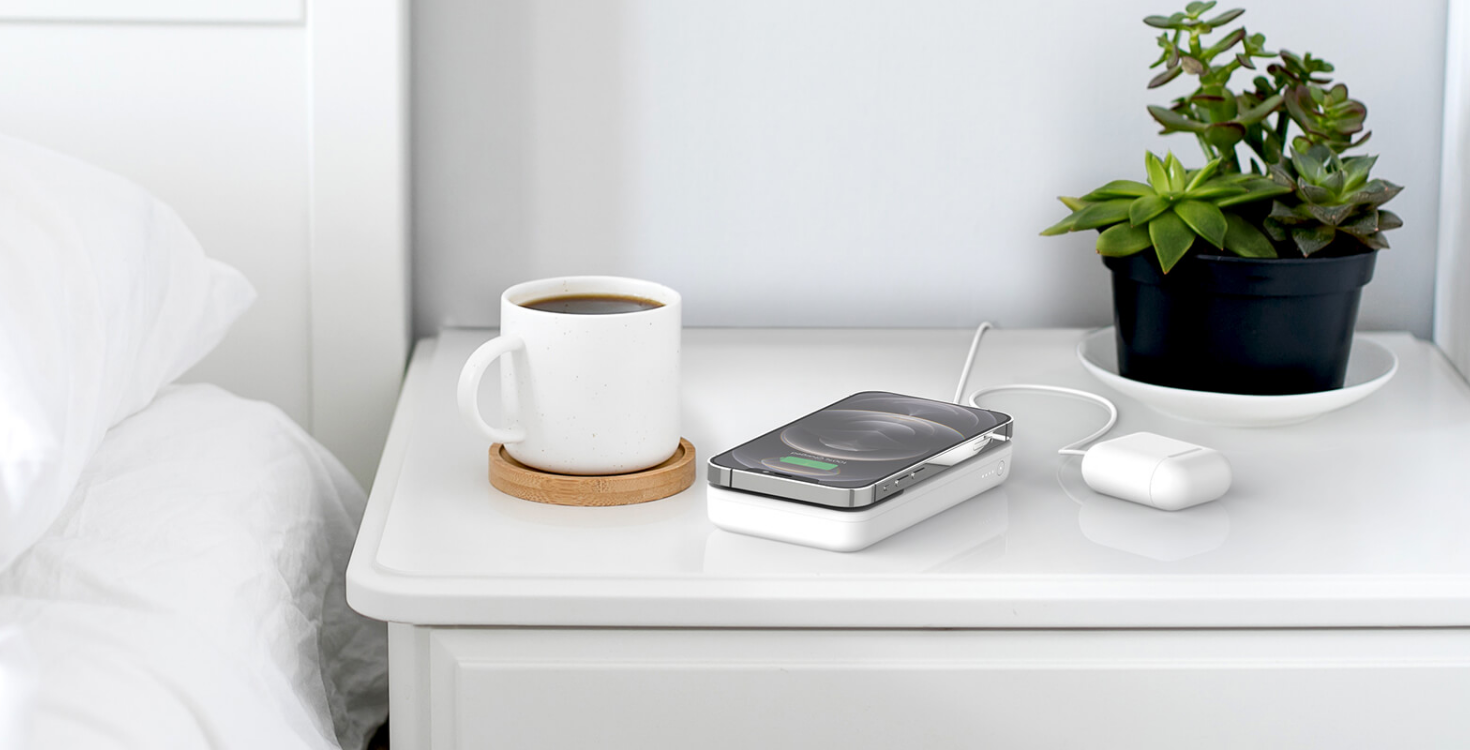
Belkin offers a range of magnetic power banks tailored to suit various needs and preferences.
Belkin Magnetic Portable Wireless Charger 10K
- Description: This power bank boasts a 10,000mAh capacity, providing multiple charges for your devices. Its magnetic attachment ensures a secure connection for efficient charging.
- Reasons to Buy: Ideal for travelers and busy professionals, this power bank offers high-capacity charging in a compact, portable design.
Belkin Magnetic Wireless Power Bank 5K Stand
- Description: Featuring a 5,000mAh capacity, this power bank comes with a built-in stand, allowing you to use your device while it charges. It's a versatile option for multitasking.
- Reasons to Buy: Ideal for those who need to use their device while charging, this power bank offers a unique stand feature for added convenience.
Belkin Magnetic Wireless Power Bank 2.5K
- Description: With a 2,500mAh capacity, this power bank offers a lightweight and slim profile for easy carrying. It's perfect for a quick top-up on the go.
- Reasons to Buy: This power bank is a convenient solution for those seeking a lightweight, pocket-sized option for emergency charging.
FAQs
The main trade-offs are weight, wireless charging speed, and compatibility. Snapping a power bank to the back of your phone adds a bit of bulk, so slim 5,000 mAh models are better for daily carry while 10,000 mAh packs are better for travel. Wireless charging through the magnet is also slightly slower than a wired connection, so most Qi2 magnetic power banks include a USB-C port for faster top-ups. And for the magnet to hold, your phone needs to be MagSafe or Qi2 compatible, or in a case that supports it.
No. Qi2 and MagSafe magnetic power banks follow the same wireless charging safety standards as any certified charger, including foreign object detection, thermal management, and regulated power delivery. Used with a compatible phone, a magnetic power bank is no harder on your battery than charging with a cable.
No. Modern phones and Qi2/MagSafe power banks stop drawing power once the battery reaches 100%. Apple's Optimized Battery Charging and Android's adaptive charging also hold the battery near 80% in many scenarios and top it off only when needed, so you can safely leave the power bank attached.
A small amount of warmth is normal during wireless charging. Because Qi2 and MagSafe use magnets to lock the charging coils into perfect alignment, magnetic power banks waste less energy as heat than older Qi pads, where a slightly off-center phone could cause the pack to run warm. If a power bank ever feels hot to the touch, remove any case, confirm your phone is Qi2 or MagSafe compatible, and make sure nothing is trapped between the phone and the pack.
Magnetic power banks solve the biggest problem with carrying a backup battery: needing a cable. A Qi2 or MagSafe pack snaps to the back of your phone and starts charging instantly, so you can keep using your phone, slip it in your pocket, or prop it up with a built-in kickstand while it charges. No cable to remember, no port to wear out, and nothing dangling off the phone.
For Qi2 and MagSafe users, usually yes. A magnetic power bank is faster to use (snap and go, no cable), more portable (it travels attached to the phone), and supports accessories like kickstands and travel 3-in-1 charging setups. A traditional power bank still makes sense if you charge multiple devices at once, need the highest-speed wired output, or use a phone that doesn't support magnetic charging.
Yes. The TSA allows lithium-ion power banks under 100Wh in carry-on bags, and most magnetic power banks fall well below that limit. A 5,000 mAh pack is typically around 18.5Wh and a 10,000 mAh pack is around 37Wh, so both are flight-safe. Power banks must travel in your carry-on, not in checked luggage, and it's a good idea to keep them in an outer pocket in case a gate agent asks to see them.
It depends on how long you're away from an outlet. A 5,000 mAh magnetic power bank delivers about one full phone charge and stays slim enough for a pocket, which is ideal for day trips and commutes. A 10,000 mAh pack gives you two to three full charges and is the sweet spot for travel, long workdays, or sharing with a second device. Larger capacities exist, but past 10,000 mAh they get heavier, and the added bulk works against the point of a magnetic power bank that rides on the back of your phone.
Yes, as long as the case is MagSafe or Qi2 compatible. Cases designed for magnetic charging have built-in magnets that align with the power bank and keep charging speeds consistent. Standard non-magnetic cases, especially thicker rugged cases, can weaken the magnetic hold and may let the pack slide off. If your case blocks the magnets, swapping to a MagSafe or Qi2 case is the easiest fix.
In conclusion, magnetic portable chargers have introduced a new level of convenience and efficiency in charging our devices. While they come with their own set of advantages and disadvantages, understanding these factors will help you make an informed decision when choosing a magnetic power bank that suits your needs. With reputable options like the Belkin magnetic power banks, you can enjoy the benefits of wireless charging with confidence.
_MPP242_MagneticWirelessPowerBank5K+Stand_FPK_WH_Shot1_Web.jpg?sw=500&sh=500&sm=fit&sfrm=png)
We hope you enjoyed this post. Signup for blog alerts, product announcements, and exclusive deals via emails and texts now.